
GENERATING IDEA AND ''THE PLAN''
The Hotel De Silos showcases a remarkable example of adaptive reuse, transforming a historic cocoa silo into a luxurious hospitality destination.
This iconic structure, once a testament to Ghana’s rich agricultural heritage, has been reimagined as a beacon of sustainable design and innovative architecture.
The hotel’s amenities include world-class dining establishments, a rooftop terrace, and state-of-the-art meeting and event facilities, rendering it an ideal destination for both leisure and business travelers.
Ultimately, the Hotel De Silos redefines the future of hospitality, where industrial chic converges with modern luxury to create an unparalleled architectural experience.
The design seamlessly integrates industrial heritage with modern luxury, minimizing environmental impact through the repurposing of existing structures. The project’s commitment to sustainability is evident in its incorporation of natural ventilation strategies, energy- efficient lighting systems, and water-saving technologies.
The architectural language is characterized by the thoughtful integration of natural materials and lush greenery, creating a serene and eco-friendly atmosphere that immerses guests in a unique and unforgettable experience.
The transformed silos accommodate a diverse range of accommodations, from spacious suites to loft-style rooms, each offering breathtaking vistas of the surrounding landscape.




AA-01 PROJECT
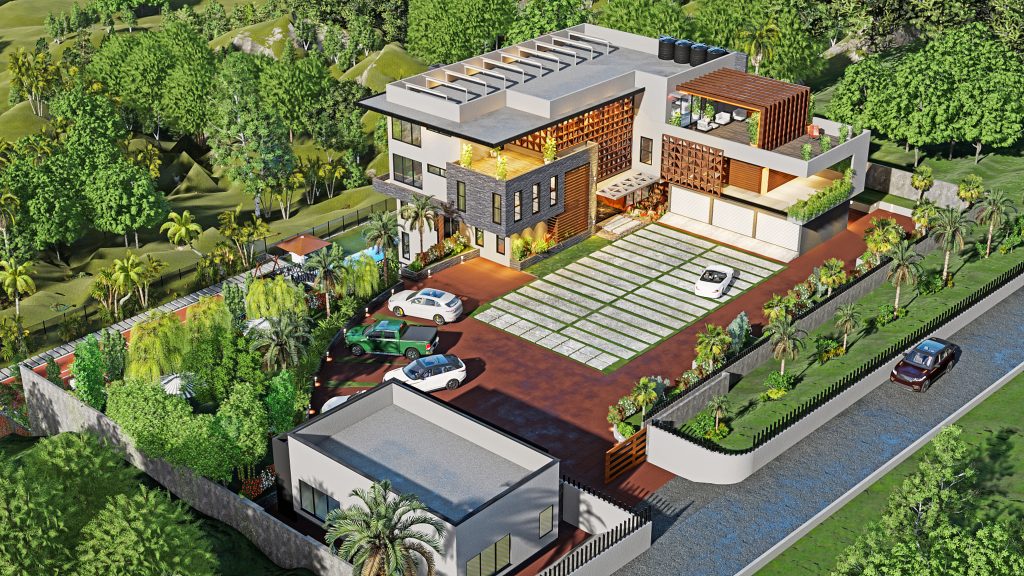
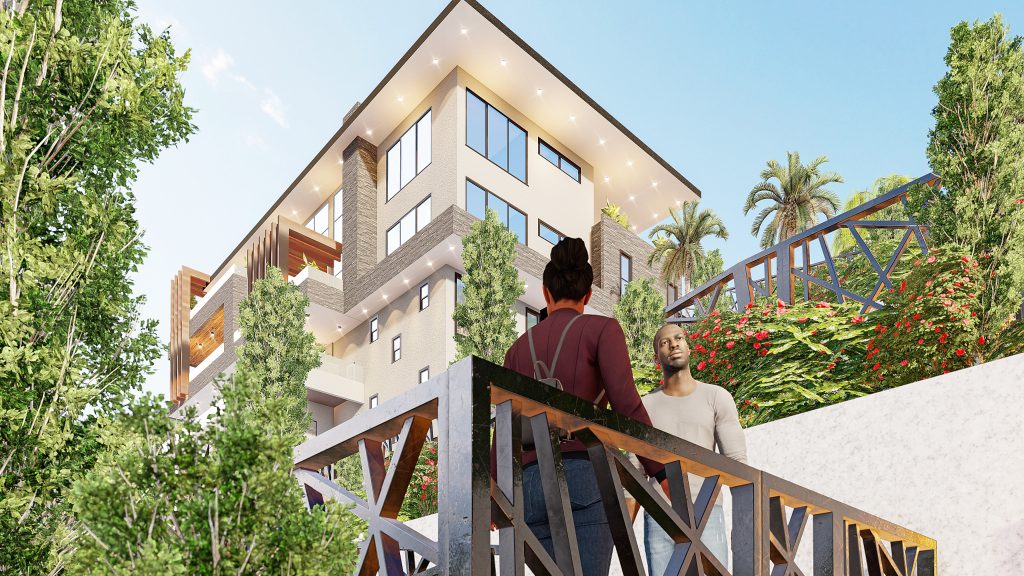
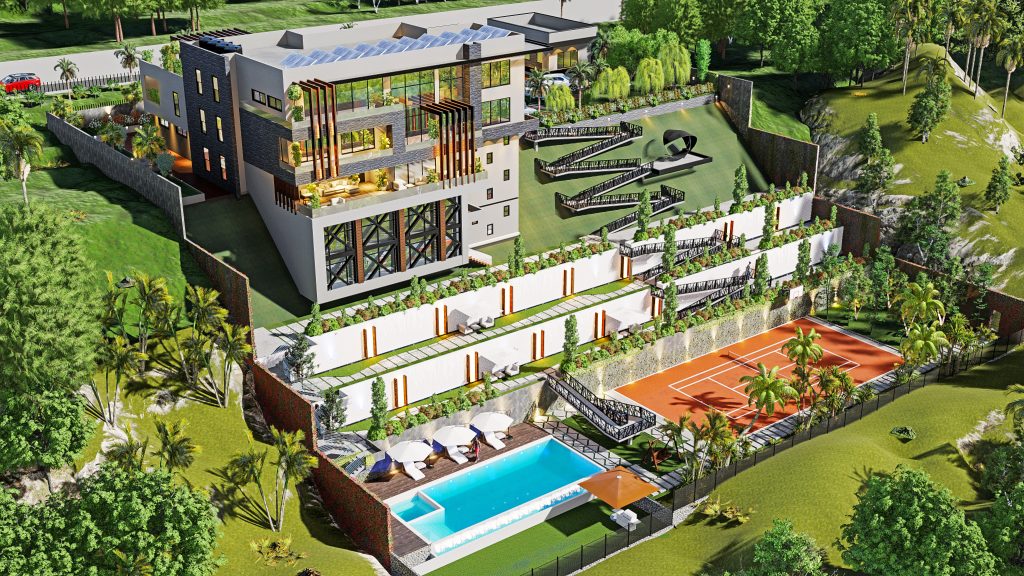
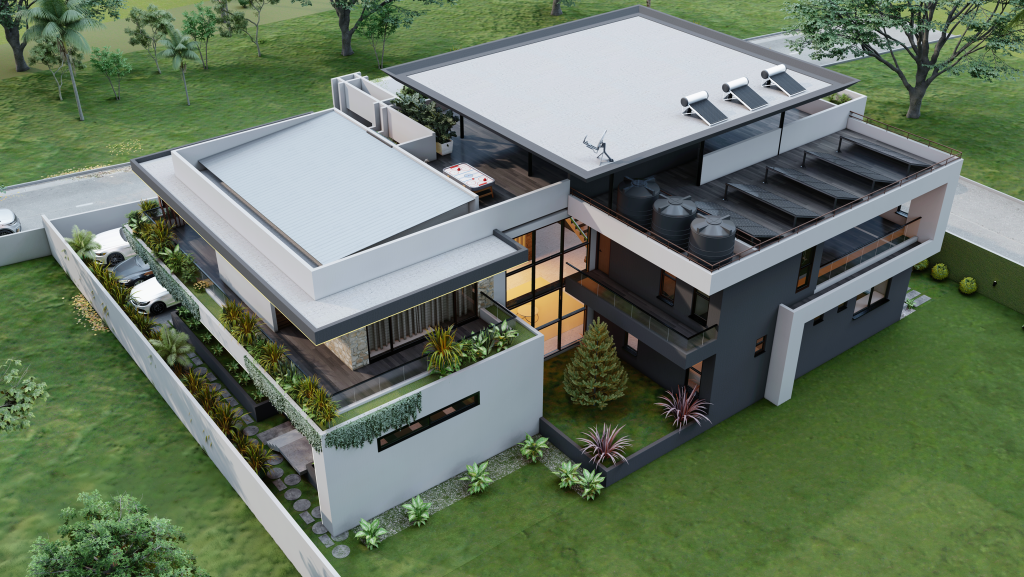
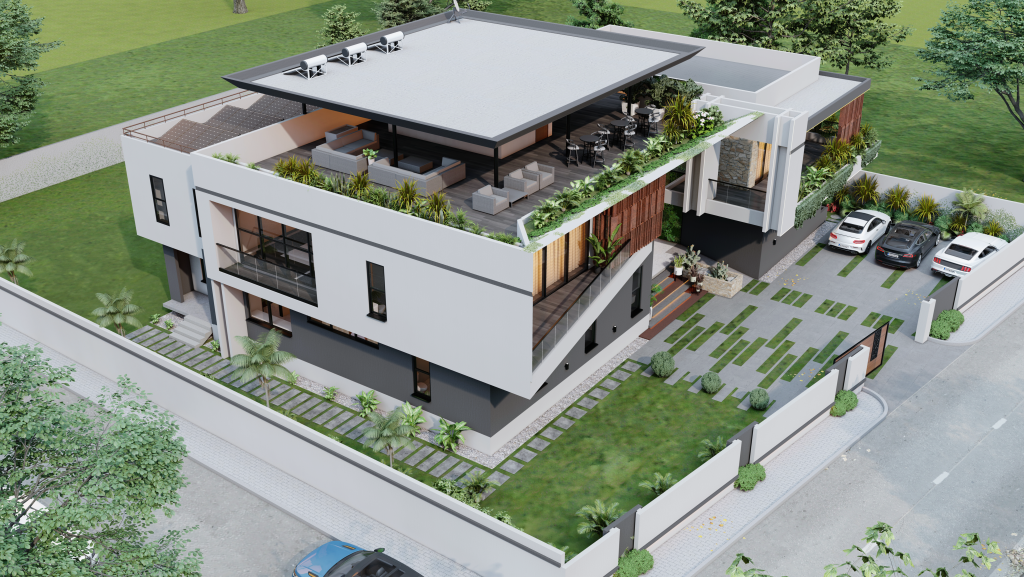
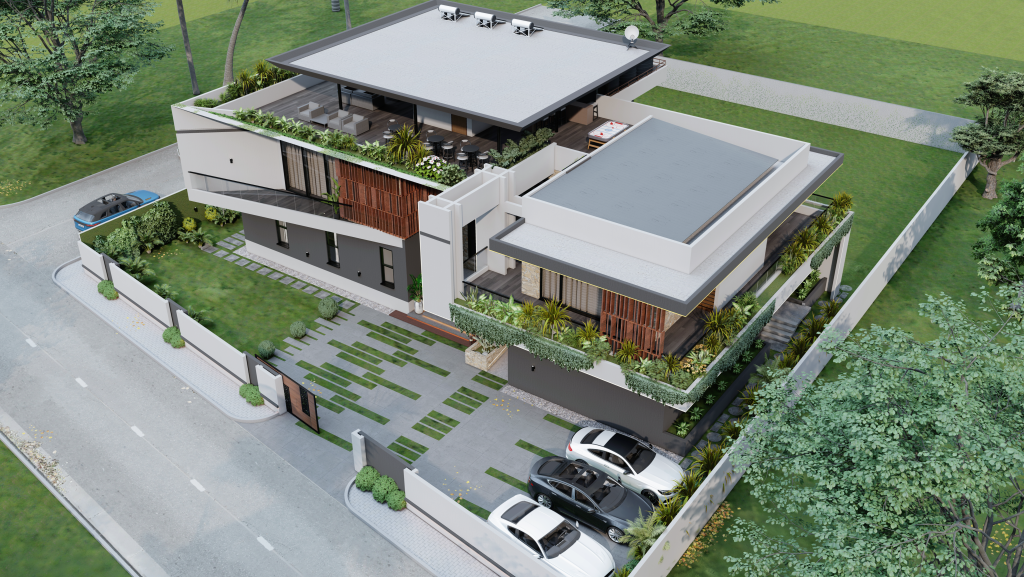
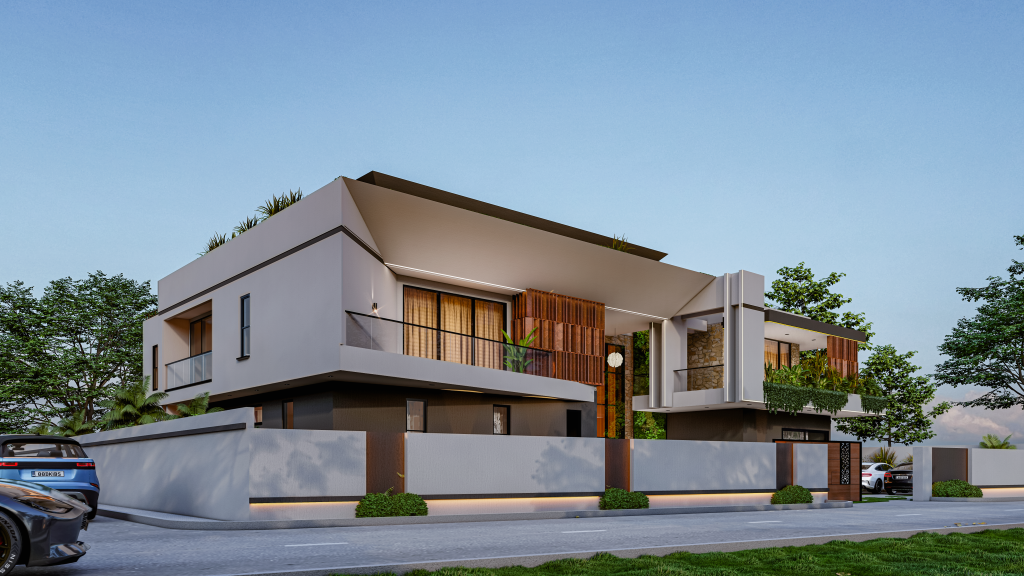
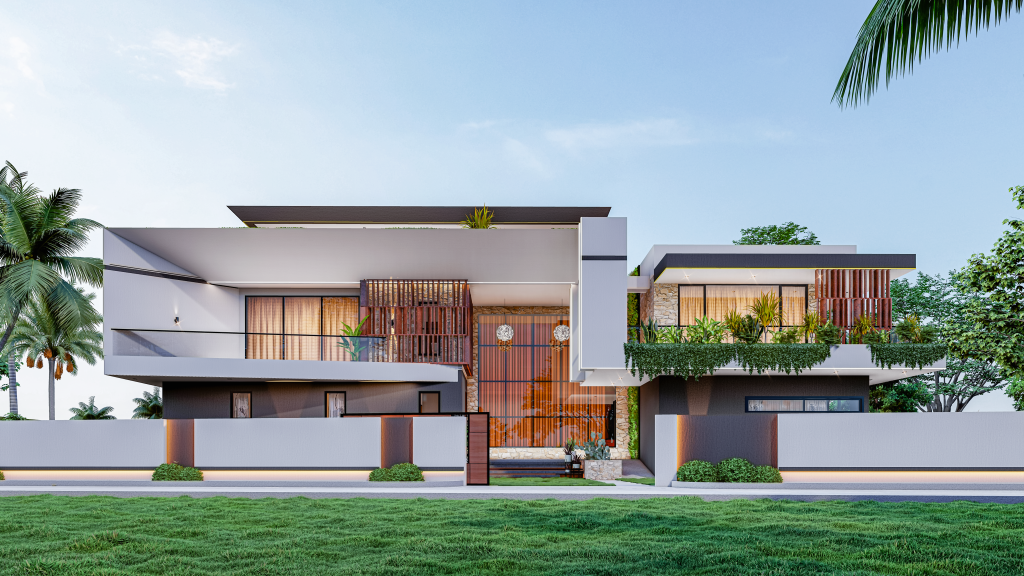
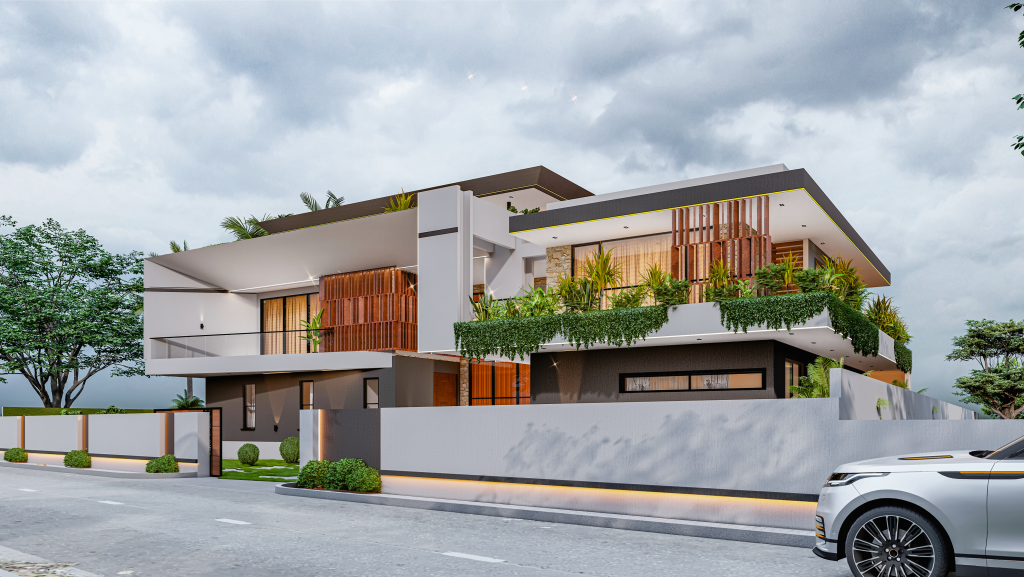
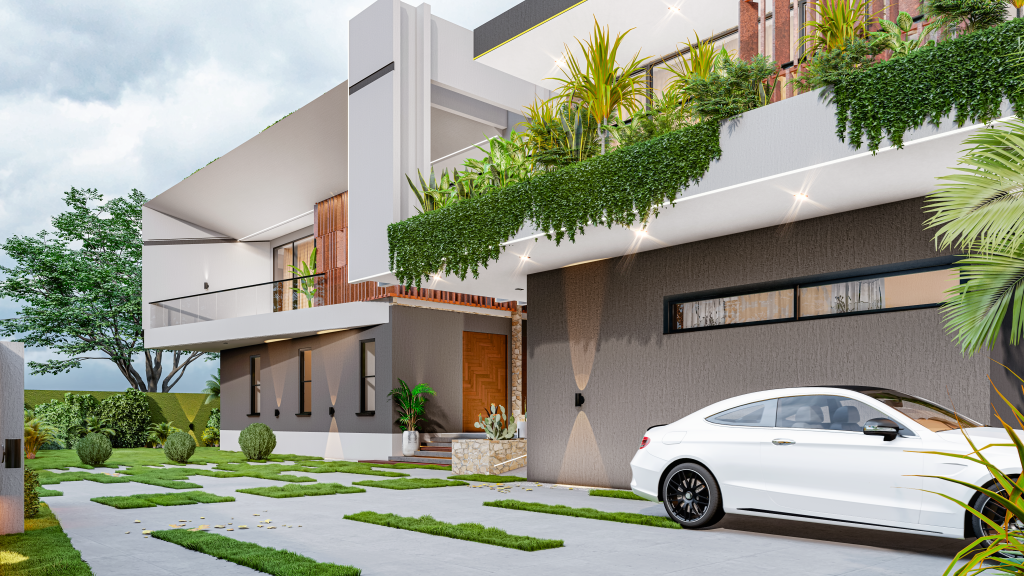
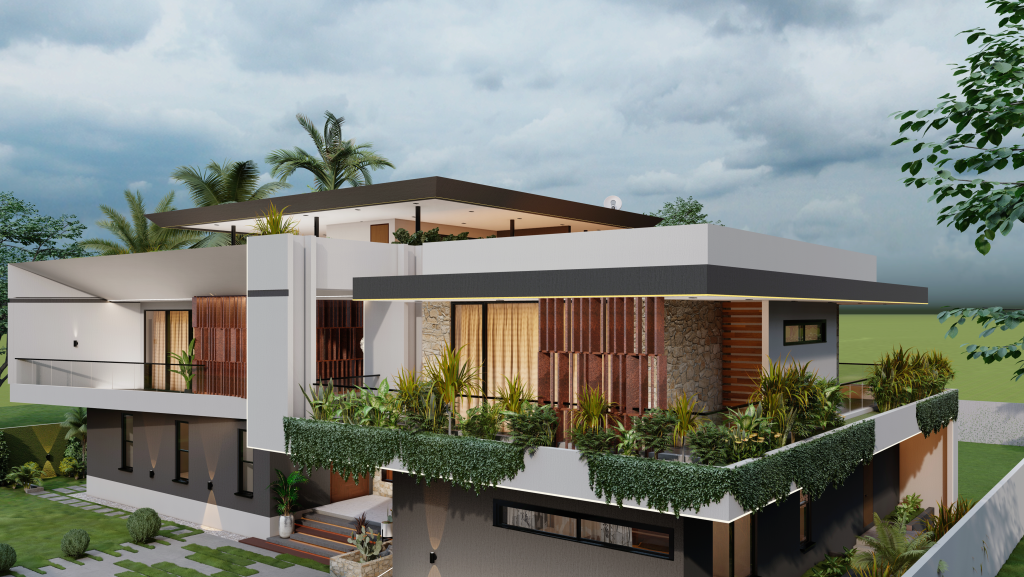
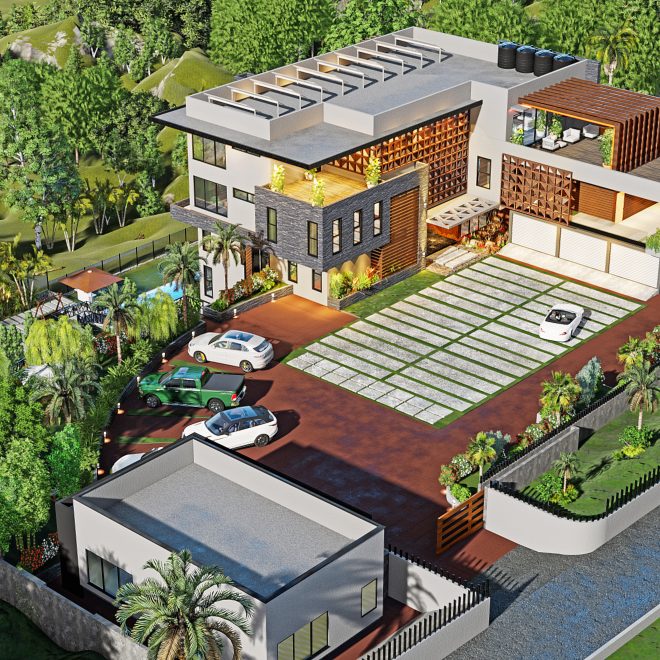
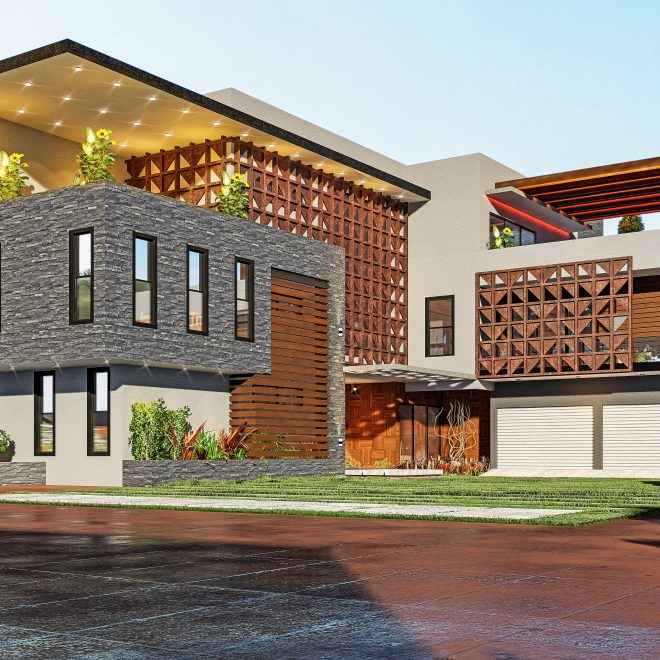
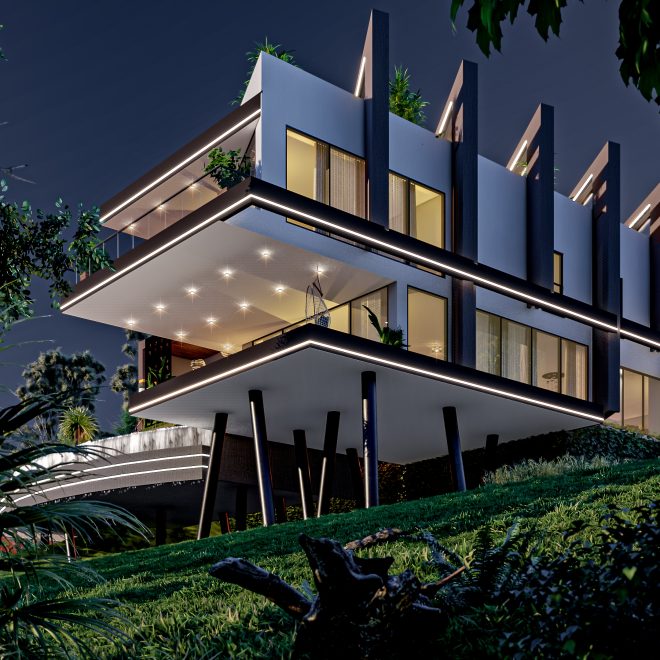
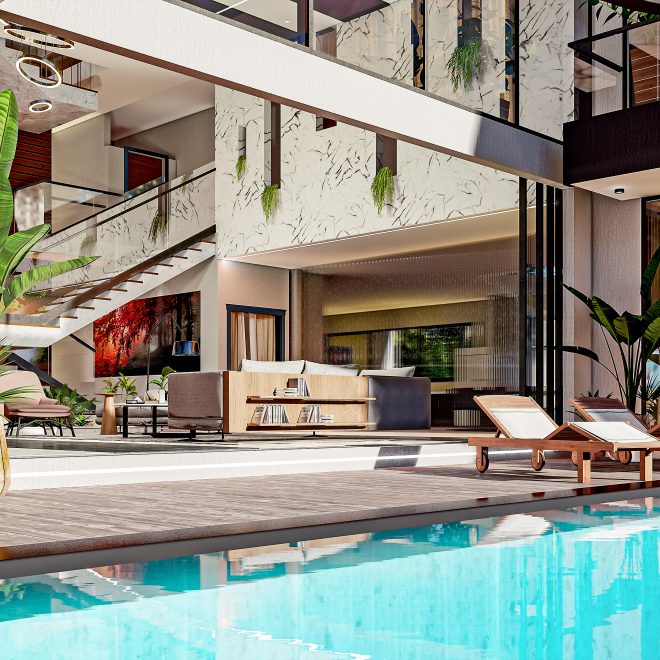
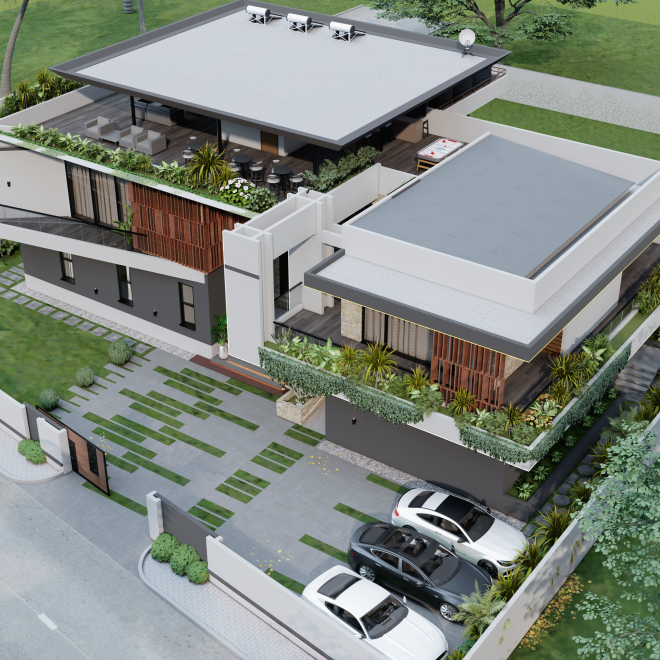
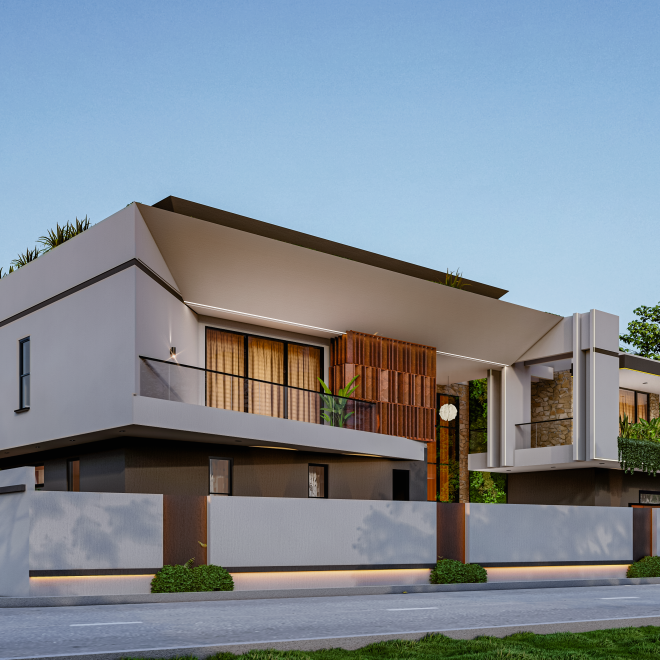
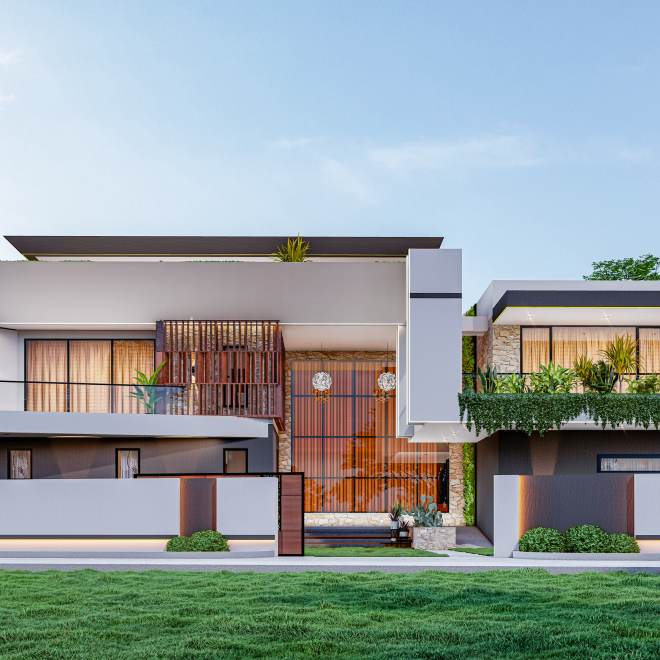
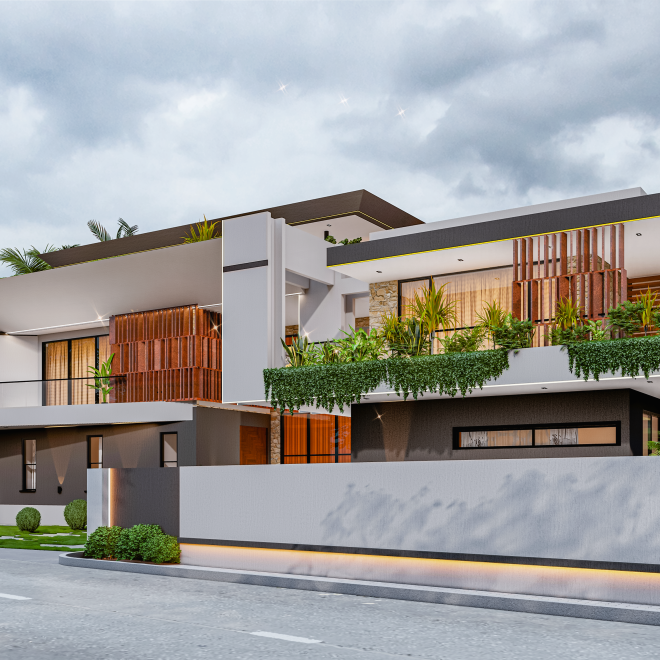
This eight-bedroom residential facility, situated on a 27m x 20m parcel, exemplifies a nuanced synthesis of tropical, cubist, and sustainable design paradigms.
The design brief necessitated the creation of a habitable environment that optimized spatial efficiency while fostering a symbiotic relationship between the built form and its occupants.
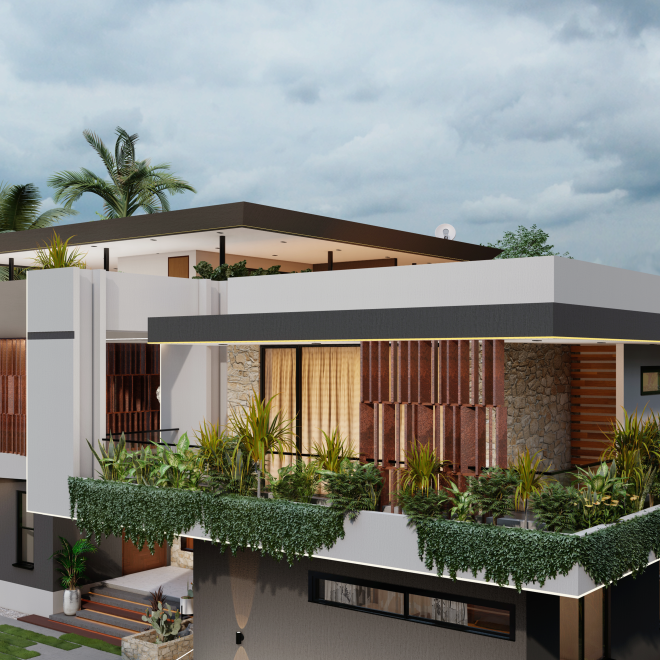
Furthermore, the building incorporates well-patterned shading devices, comprising a thoughtful arrangement of overhangs, fins, and louvers.
These carefully calibrated shading elements modulate the impact of solar radiation on the building’s envelope, minimizing heat gain and reducing the need for artificial cooling.
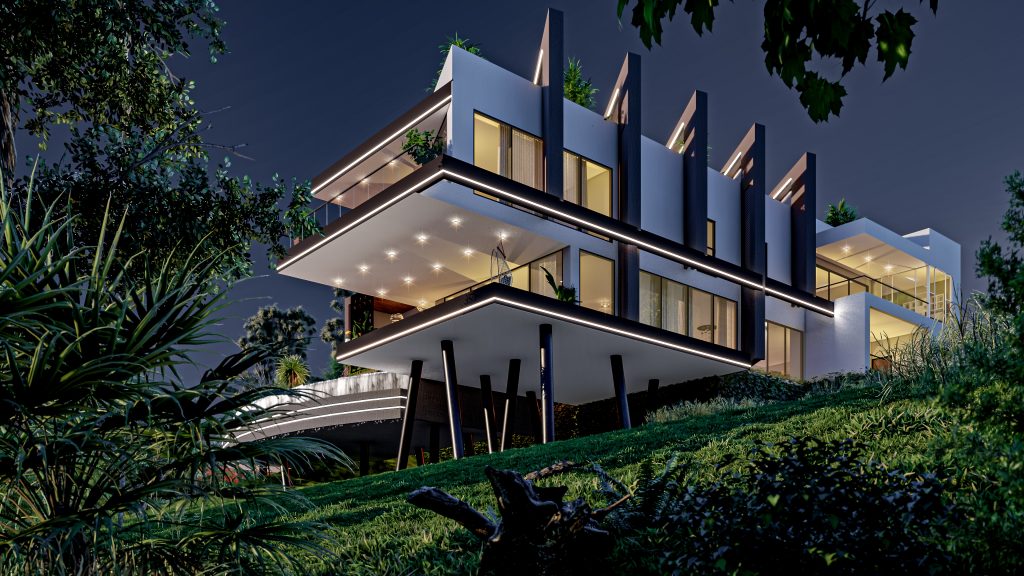
The design’s emphasis on fragmentation and strategic fenestration contributes significantly to sustainability.
The judiciously fragmented building form allows for optimal natural light penetration and cross-ventilation, reducing the need for mechanical lighting and cooling systems.
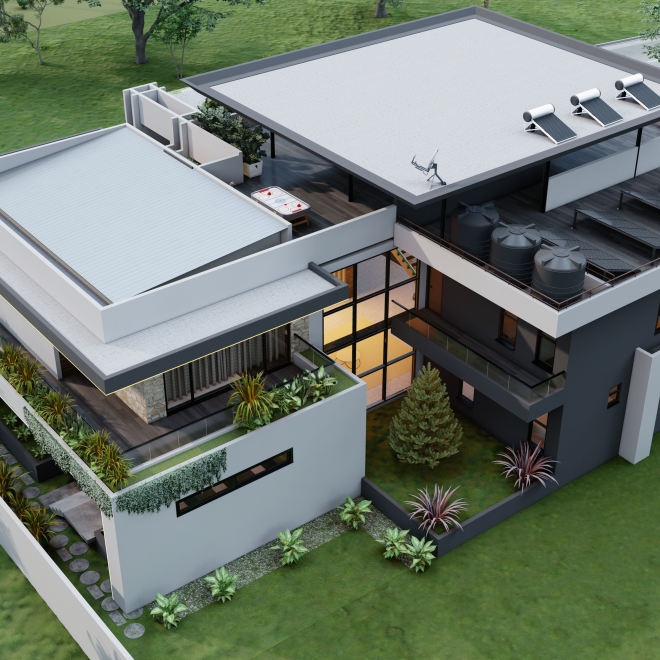
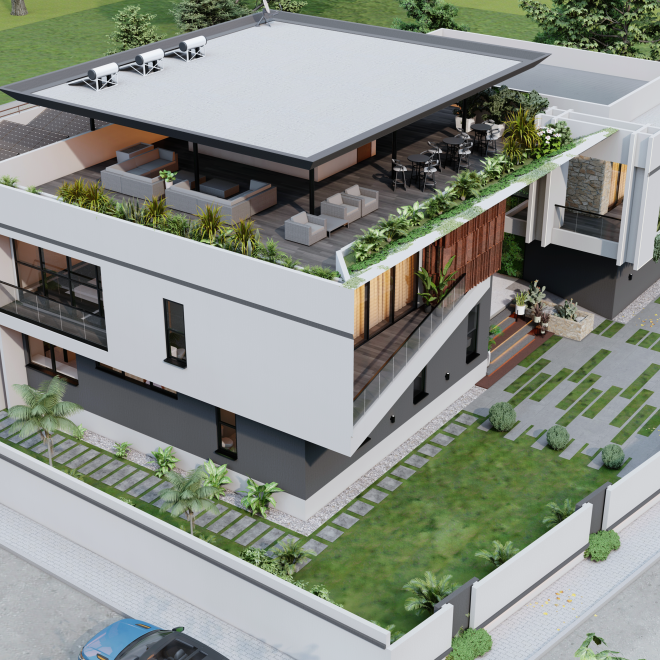
The incorporation of a rooftop terrace and a fully equipped gymnasium further enhances the residence’s habitability, providing occupants with expansive vistas, external living spaces, and wellness amenities that foster a holistic, salubrious lifestyle.
Ultimately, this modern residence serves as a paradigmatic exemplar of sustainable, functional, and luxurious design, demonstrating a profound commitment to the creation of habitable environments that not only minimize their ecological impact but also enrich the lives of their occupants.
Lashibi Estate
Casa Serena


LA VILLA VERDE
KK L1
KK-L1
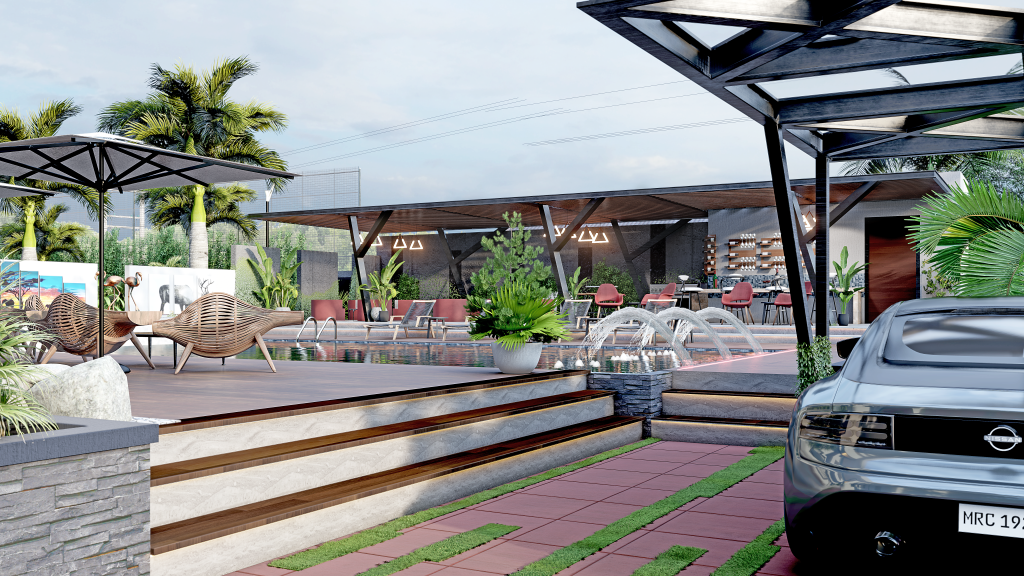
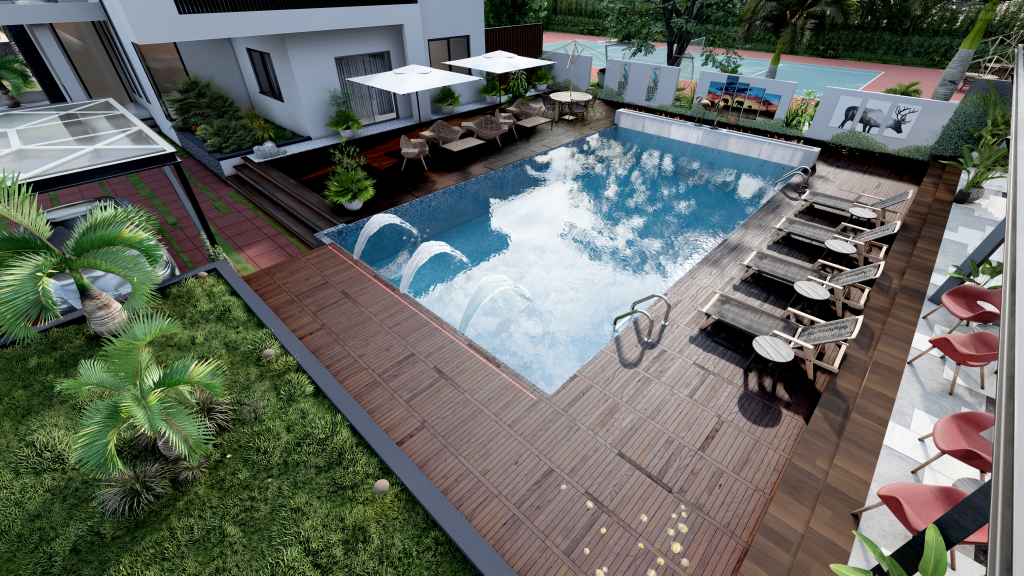
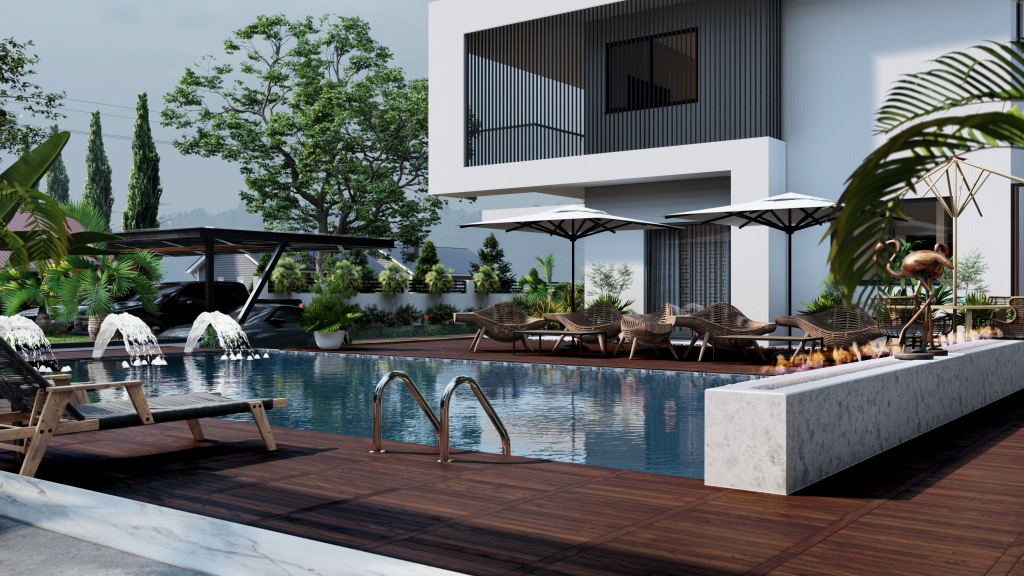
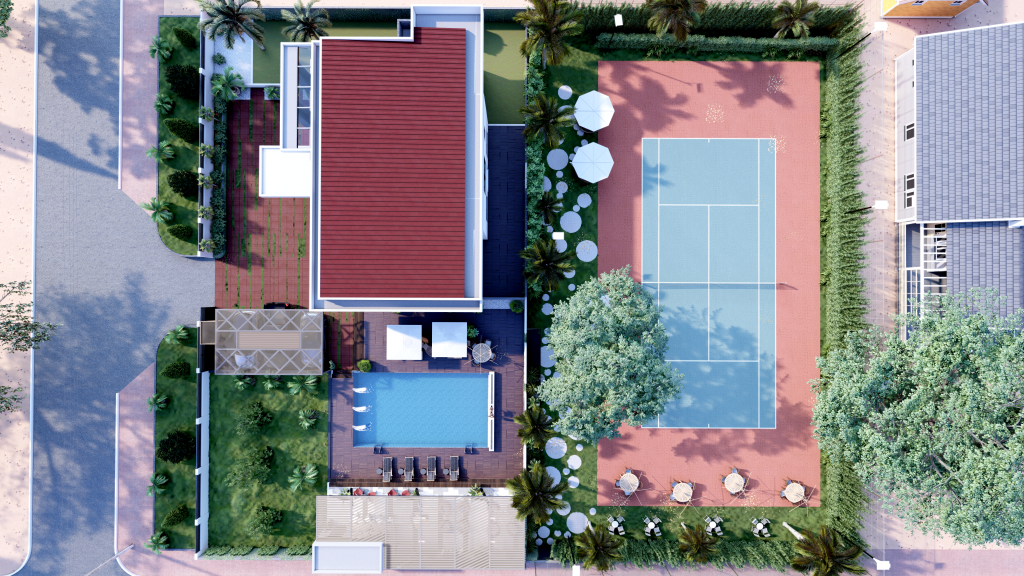
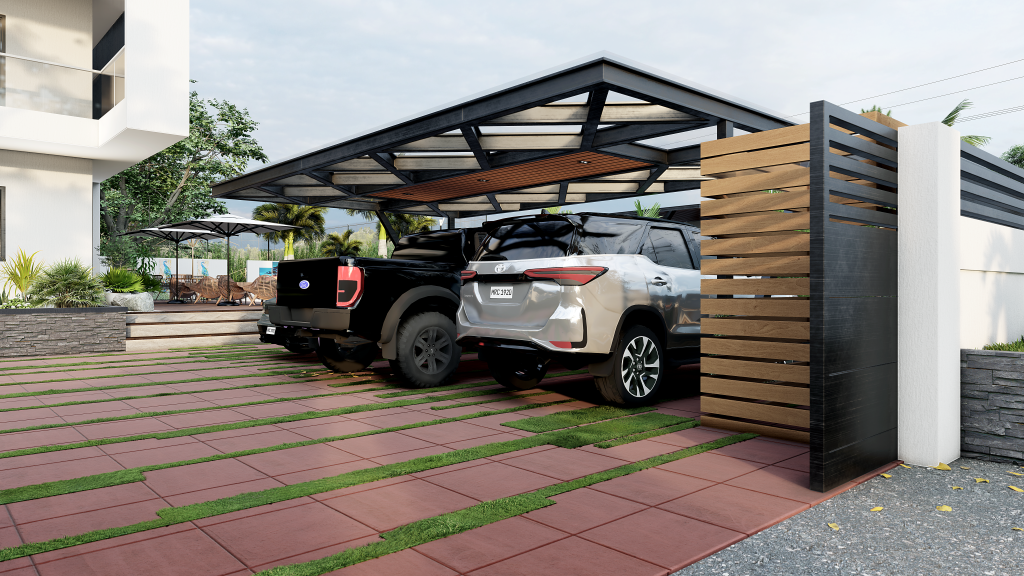
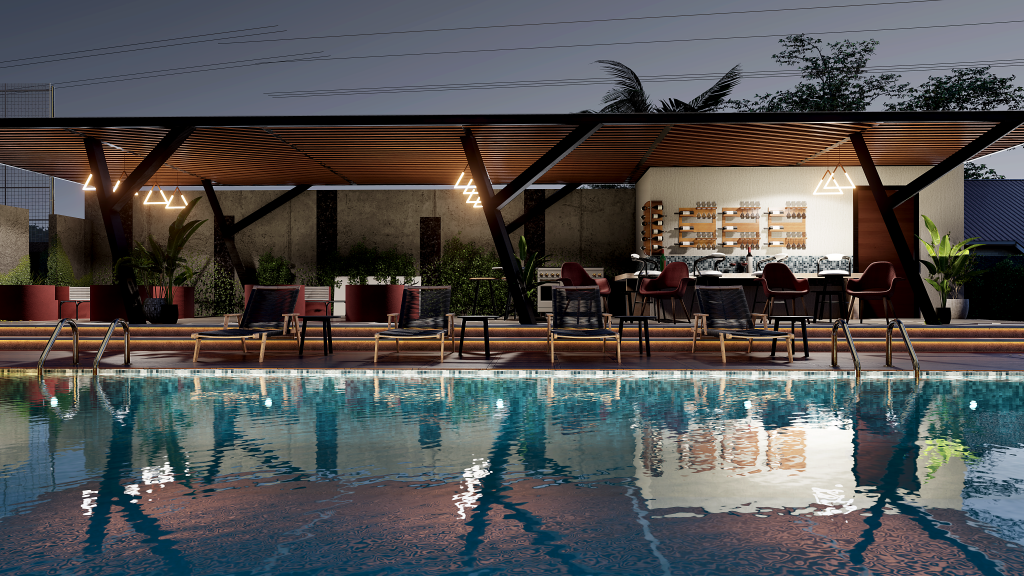
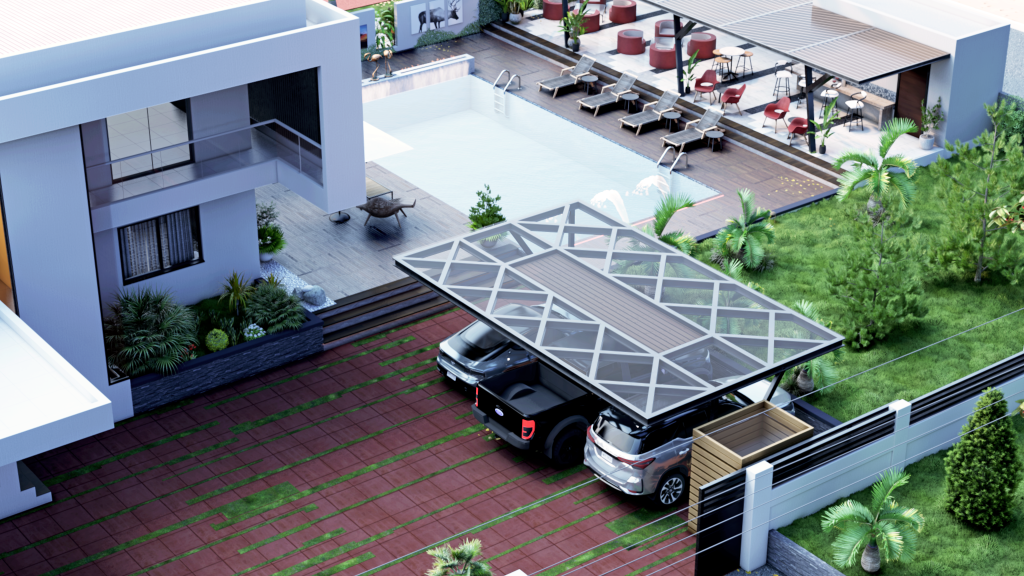
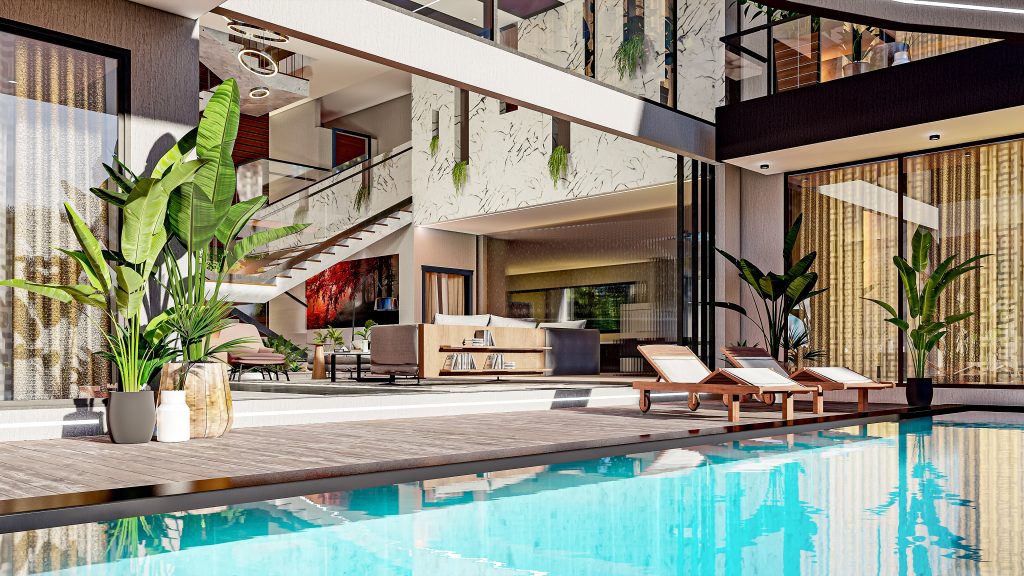
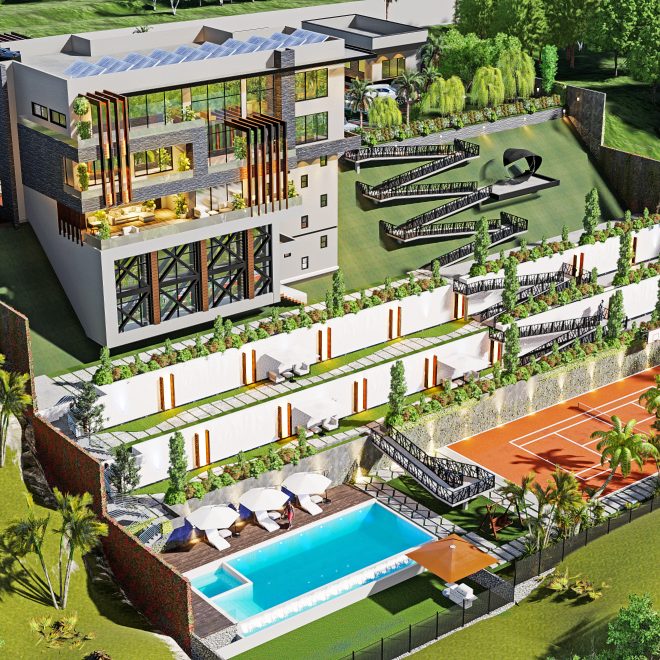
This luxurious landscape design embodies a harmonious synthesis of sustainability, functionality, and aesthetic appeal. The design features a serene pool, juxtaposed with a bar visually linked to the pool deck, creating a visually striking focal point.
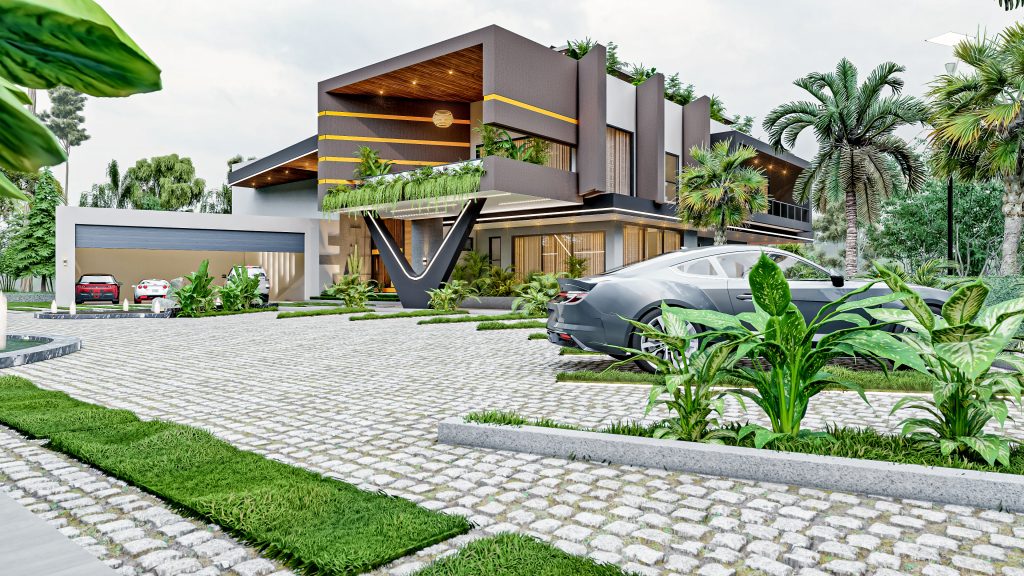
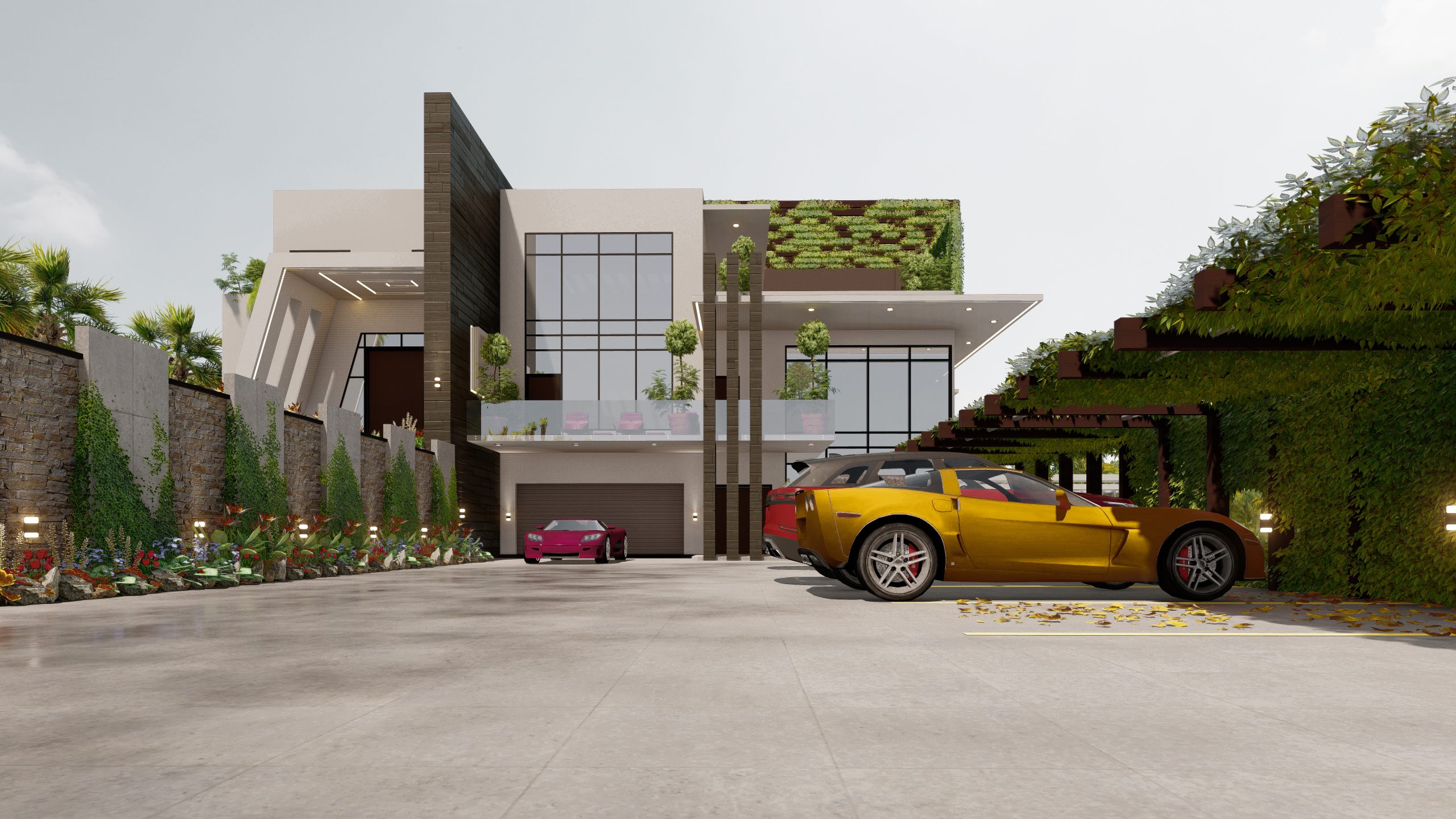
The surrounding landscape is replete with lush vegetation, comprising potted plants, palms, and grasses, carefully selected for their durability and low- maintenance requirements. The deliberate placement of these plant species fosters a tranquil ambiance, while also mitigating the urban heat island effect.
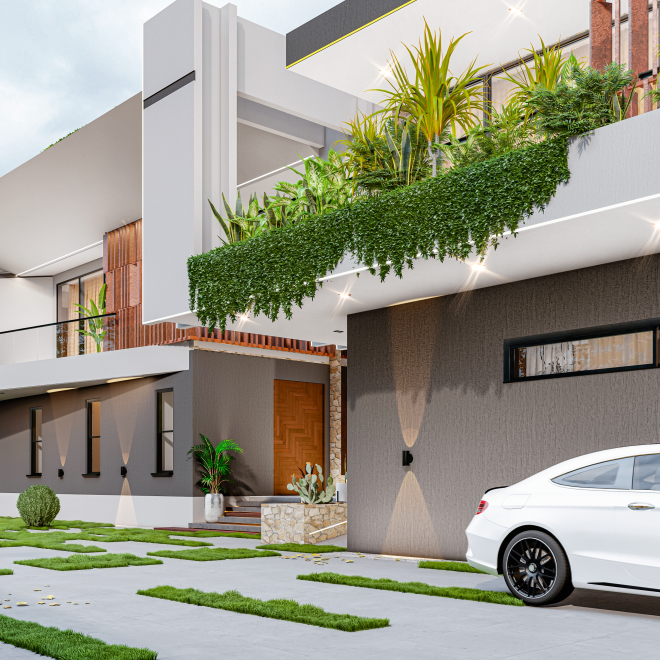
The driveway, constructed from permeable concrete, is interspersed with blocks of grass, allowing for efficient stormwater management and reducing the urban runoff coefficient. This thoughtful design strategy not only enhances the aesthetic appeal of the compound but also contributes to a more sustainable and environmentally responsible design solution